
Eastern Forktail on Fern
Mount Olive NJ
July 2025
For this damsel-scape I hoped to include a vignette into a lush wetlands habitat.
img_4800
Canon ef-m 28mm macro + M5

Eastern Forktail on Fern
Mount Olive NJ
July 2025
For this damsel-scape I hoped to include a vignette into a lush wetlands habitat.
img_4800
Canon ef-m 28mm macro + M5

Martha’s Pennants (dragonflies)
Brendan T Byrne State Forest NJ
July 2023
A pair of Martha’s Pennants in a mating wheel alongside a former cranberry bog.
Canon 77D + Tamron 100-400
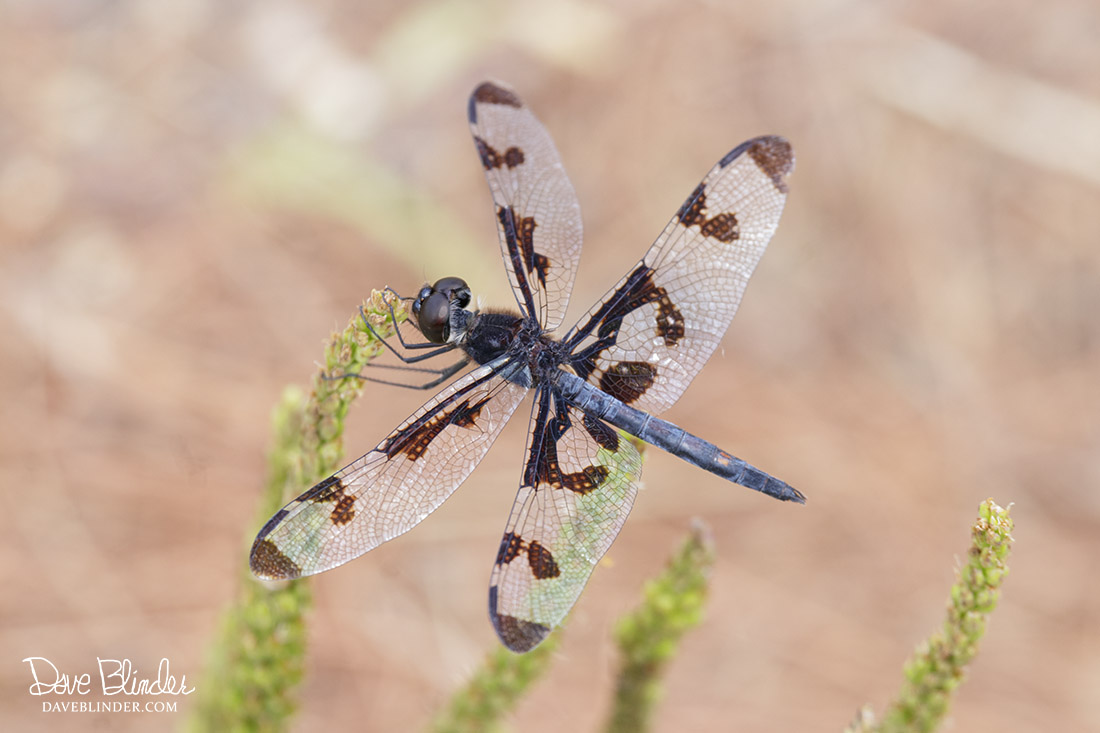
Banded Pennant
Double Trouble State Park
Ocean County NJ
July 2021
Learn more about the Banded Pennant – http://www.dragonfliesnva.com/My%20Documents/KevinPDF/pdf/identify/species/BandedPennant-FINAL.pdf
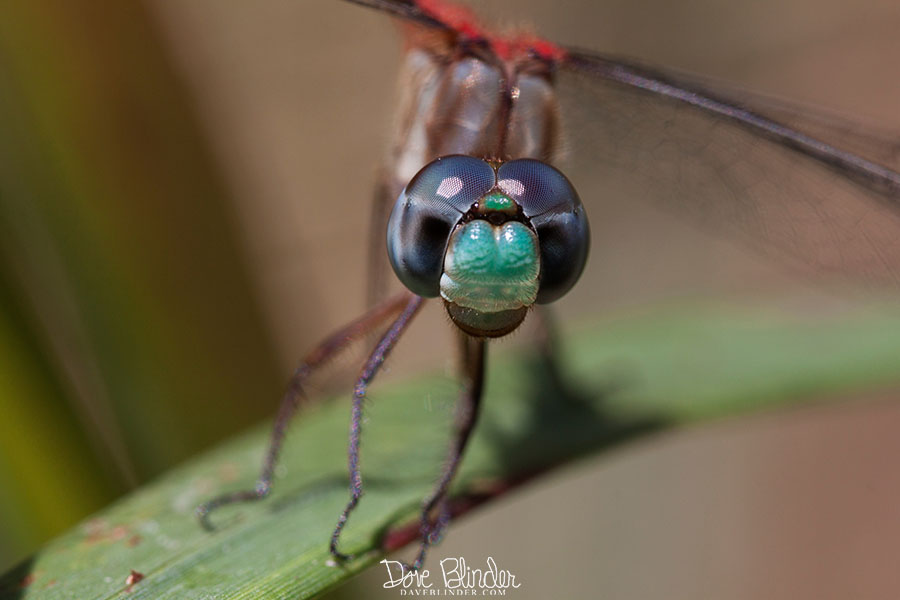
POWWW‘s next free nature program is the Edible Mushroom Walk in August – https://www.facebook.com/events/2165155403552884/
Click on any thumbnail below to view a larger image.


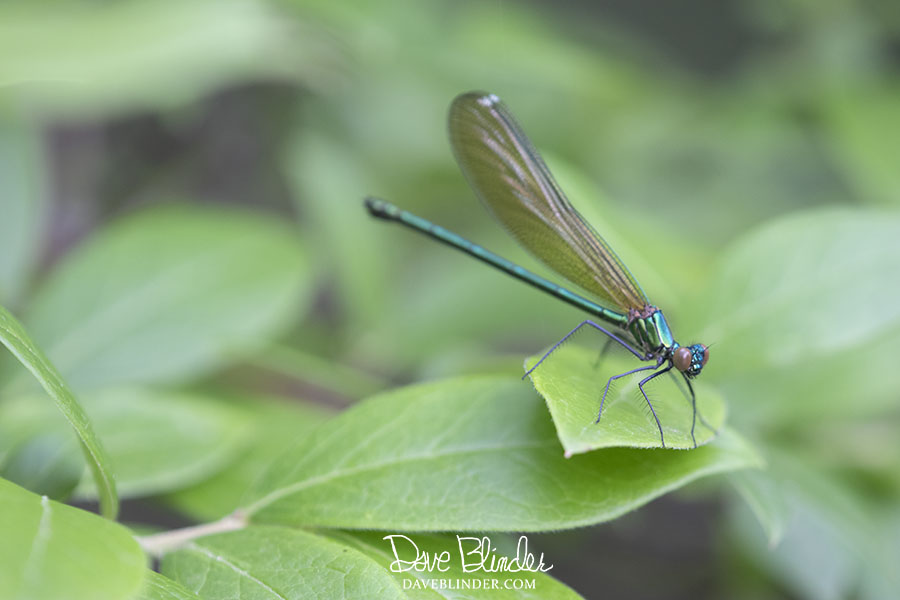
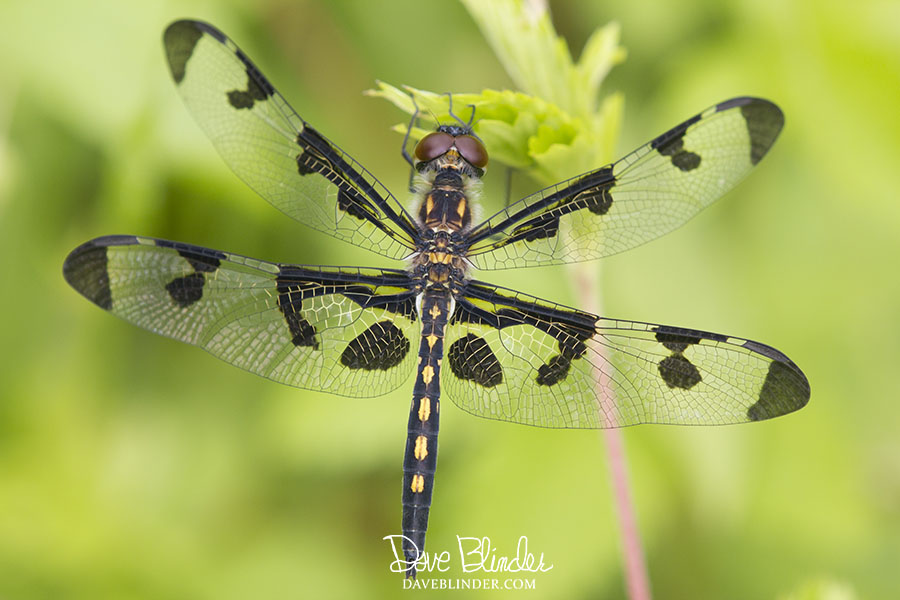
This a recent macro insect photo I took in the region of New Jersey known as the Pinelands National Reserve, home to ecosystems and wildlife not often seen in other parts of our state. Photography equipment utilized: Tamron SP 90mm VC F/2.8 1:1 Macro Lens and the Canon EOS 7D DSLR. Damselflies are generally smaller than dragonflies, but fall under the same order known as odonata. Pictured below is a male American Rubyspot damselfly, its Latin name is Hetaerina americana.
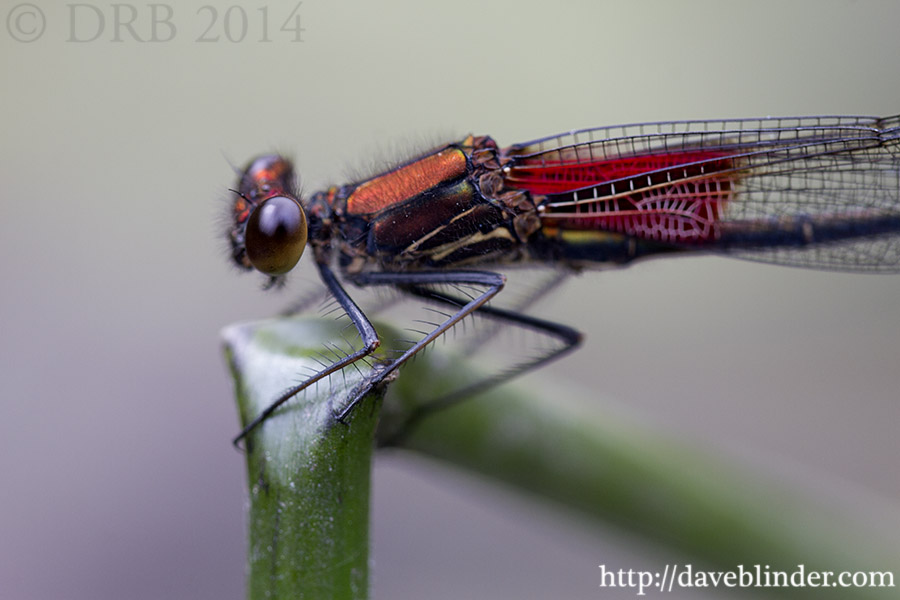
One of New Jersey’s most vivid damselflies.
I actually ended up wading in standing water that was thigh high to take this photograph. I saw several Rubyspots perched on vegetation in this pond. I wasn’t thrilled to get to my cargo shorts soaking wet, but I had to decide to either walk away from a photo opportunity or “dive right into the scene”.
The sunlight was fairly overcast when I snapped this shot so a fast shutter speed was not possible. Dragging a good tripod into a pond didn’t seem like a good idea, and a tripod is not really an asset when making a still capture of an insect perched on a piece of grass with forces like water ripples and a breeze causing motion. Handheld and fairly large aperture was the only way this shot was going to happen.
I’ve had a few people tell me that they find a 300mm lens sufficient for shooting small insects, but the reality is you are not going to get this type of highly magnified photo without a 1:1 macro lens. In this case the fast autofocus and Vibration Compensation were also needed. Camera settings: 1/125 F/5.0 ISO 400, VC on, Auto White Balance, RAW file format, One Shot focus in continuous drive mode.
 Dave Blinder Nature Photography