“For The Love Of Wildlife” NJ Photo Contest

I am excited and honored to be one of the judges for the Conserve Wildlife Foundation of New Jersey’s 2016 wildlife photography exhibit.  As a longtime nature artist, I find it very important to support the local nonprofits and conservation groups that protect New Jersey’s natural resources.

I am quite sure that many inspirational wildlife images will be in the running.  Picking a winner is going to a challenge.

CWFNJ.jpeg


Please visit http://www.conservewildlifenj.com/contest for info on how to participate.


Do you need assistance with your juried photography contest?  I can help, contact me at daveblinderphotography@gmail.com


The Best Weather for Nature Photography?

My favorite nature photos, especially landscapes are often taken in the most brutal weather conditions.  Often in snow, rain, or wind that makes being outdoors very uncomfortable.  On the contrary, I don’t find many of my “blue sky” shots to have much of a mood to them.  Why the correlation between extreme weather and dramatic photos?  I’m not entirely sure, but I think that the sunlight is often much softer during bad weather spells.  Also, precipitation and moisture in the air create a lot of mystery and drama.  Perhaps a great deal of effective nature photography lives in the surreal or sublime realms?  On the other hand, embracing and emphasizing the mundane is an effective technique too, especially for street photography.

As my photography years go on, I’ve come to embrace adverse weather conditions more and more.

What weather conditions have created your most dramatic photos?
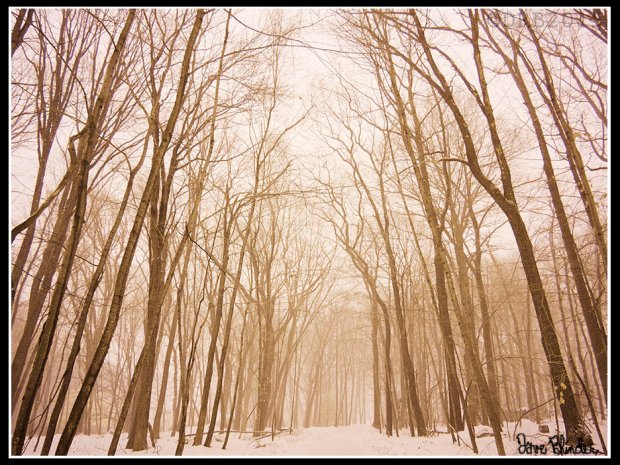
Wooded Road in Winter

Infrared photo taken in the early stages of a snow storm in Chester, New Jersey. I had finished a quick walk at some local parks, but glanced down a residential road and couldn’t resist shooting a vanishing point in the snow.
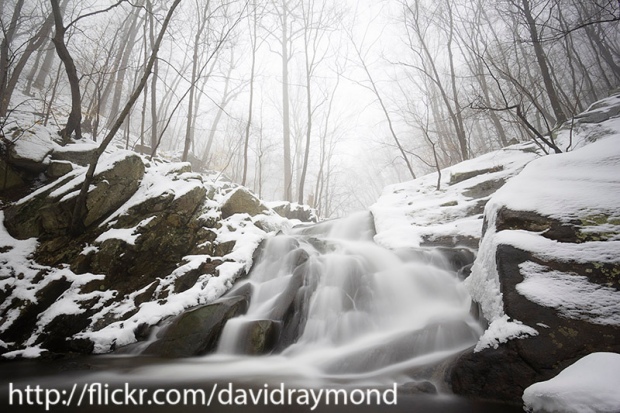
Electric Brook Falls in Winter

Photo taken shortly after a snow storm. The walk down to this vantage point was treacherous to say the least. I did not enjoy the bitter cold or the fright from extremely icy rocks. I do enjoy looking at the photo from home now, though.
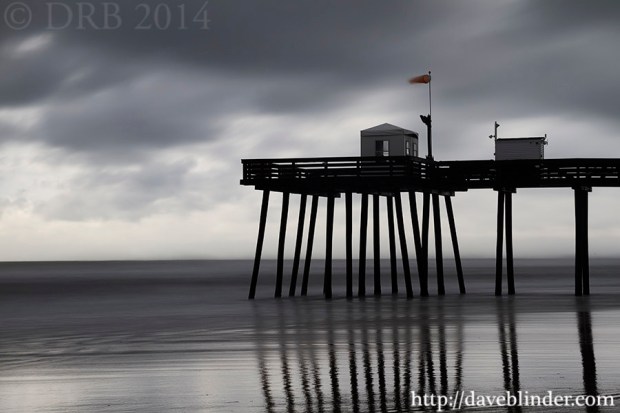
New Jersey Nature Photography

A very gloomy morning on the Atlantic Ocean. Photo taken in Ocean City, New Jersey. The wind was strong and actually a big unnerving. Even with a tripod-mounted camera, I will keep the camera’s strap around my neck to avoid accidents in this type of weather.

And here is a blue sky photo that I like:
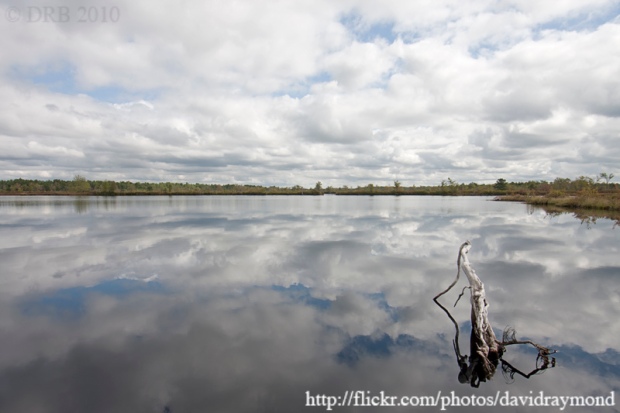
New Jersey Nature Photography

A blue sky above the New Jersey Pinelands is dotted with Cumulus clouds, adding the illusion of depth to some two-dimensional pixels.

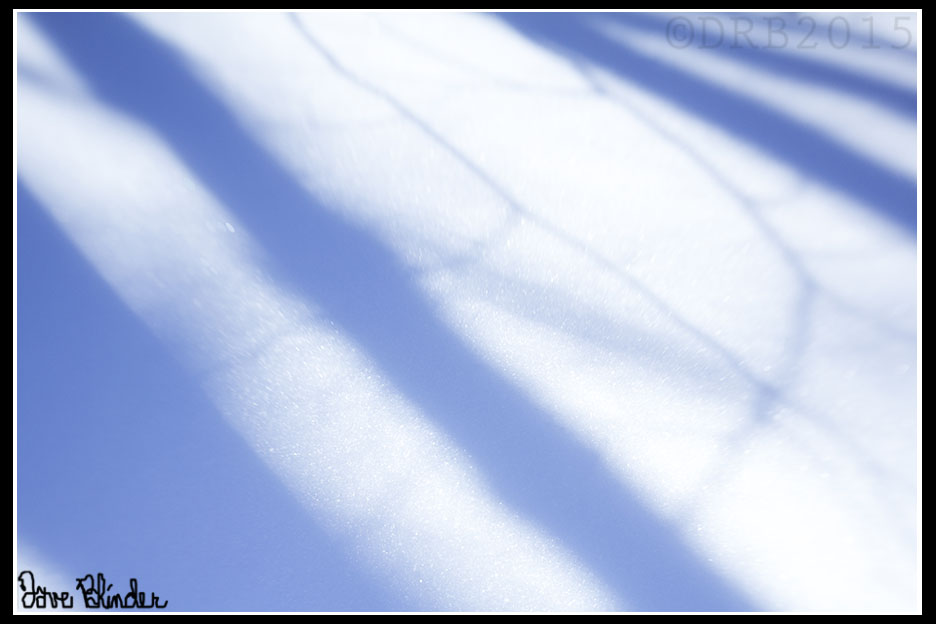
New Jersey Nature Photography: Tree Shadows on Snow

“Tree Shadows on Snow”, New Jersey nature photography from Morris County.

“The art or process of producing images by the action of radiant energy and especially light on a sensitive surface.”  – Merriam-Webster dictionary.

Elusive wildlife and scenic vistas can make outstanding photos, I like to shoot them often.  Don’t forget to capture the small things either.

NJ snow photo

On a cold winter day, the long shadows of bare trees stretch across and empty canvas of snow. #Nature #photography #minimalism

New Jersey Nature Photography: Sunset over Frozen Pond

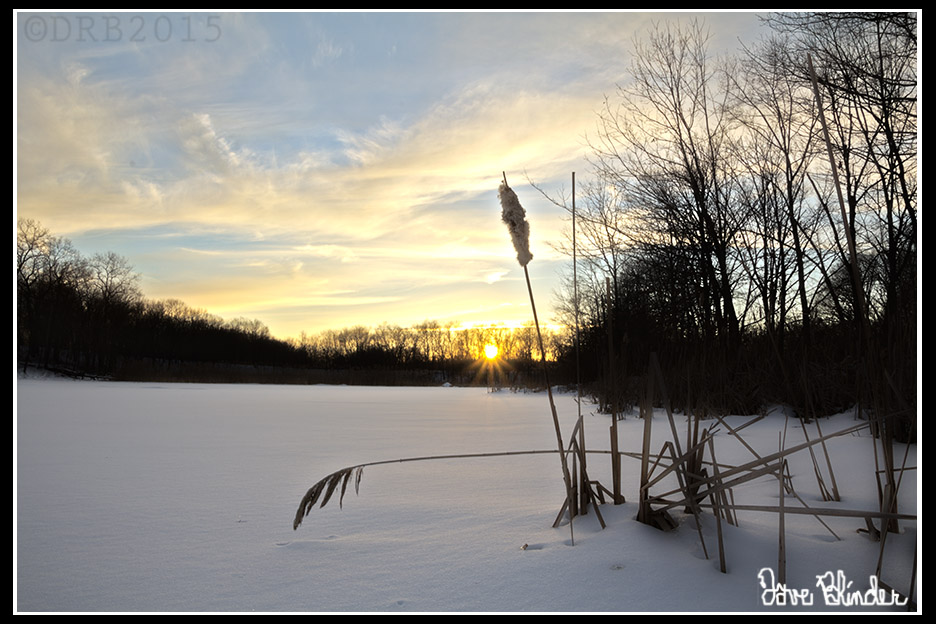
This afternoon I ventured out in the cold, dangerous, and remote tundra…. Okay okay, so I was actually only a few minutes from the big local shopping mall in New Jersey.  Anyhow, I was scouting the location as the sun slowly descended towards the horizon.  A photographic frame came together in my mind as I walked across a small frozen pond.  Why was I walking on the pond in the first place?   Bodies of water often offer a clean and uncluttered midground for scenic photos and quite often rocks or vegetation on the periphery can be used very effectively to anchor the foreground of an image.

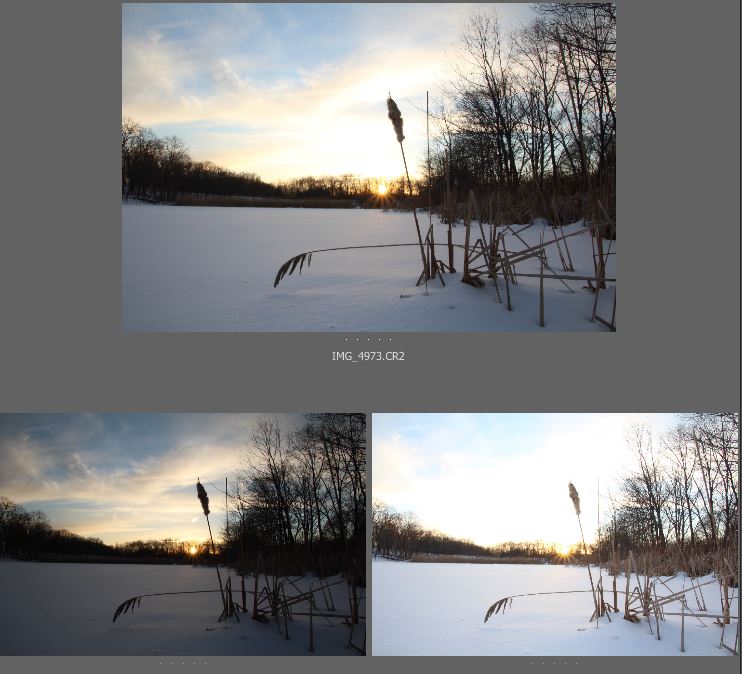
Below I have uploaded my final output jpeg, compromised of a 3 exposure HDR blend.  Below that is a view of what the individual exposures looked like.  Last is a snapshot of my Canon T5 DSLR and Tamron 16-300mm VC PZD lens in position for the capture.

New Jersey Photograph of a Winter Sunset

Sun beams pierce the wooded fringe of a calm pond on a cold February evening. This is a three image #HDR blend and the #photos were taken with the #Tamron 16-300mm VC PZD lens and the Canon EOS T5 DSLR.

raw image previews

A quick look at my three unprocessed #raw exposures. The #dynamic range of the #Canon T5 sensor is approximately 12 stops of light, which is not quite enough to record details in the highlights and the shadows of the scene.

BTS nature photograph

A peek behind the scenes, my #DSLR is atop my tripod and positioned very close to the ground. The petal shaped #lens hood of the #Tamron 16-300mm VC PZD can greatly help reduce flare from shooting into the sun.

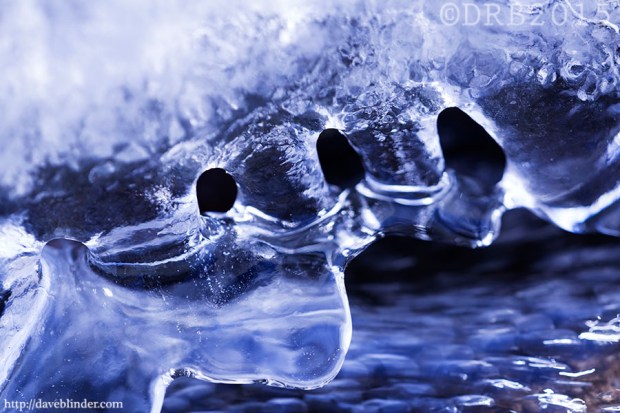
New Jersey Nature Photography: Ice Detail #2

I braved the cold front for a bit on New Years Day, and headed out with my Tamron SP 180mm macro lens and Canon 6D to see what I could see.  After I began shooting, I realized that my camera’s White Balance was set to Florescent due to some indoors video I had previously been shooting.  More often than not, I will use Auto White Balance for shooting stills (in Raw format).  While White Balance is easily changed during Raw processing, it affects the “mood” of my initial photos as I glance at the previews on my LCD.

In this case, I not only liked the cooling effect of the manual White Balance on my subject matter, I loved it.  Improper WB’s can often render photos as unrealistic, but there are certainly times and places for creative WB usage.

NJ Nature Photo

Ice Detail 2. New Jersey #Nature Photo taken handheld with the #Tamron SP 180mm F/3.5 macro lens and the Canon EOS 6D.

Exposure Settings: 1/160 F/4.5 ISO 200, 180mm

New Jersey Nature Photography: Woodland Stream

Here’s a photo I took yesterday with my IR-converted Olympus PEN E-PL2 and the Tamron 14-150mm Di III lens.  I like the composition of my shot, the foreground shrub nicely fills in some negative space, and the forest fills in the upper 3rd of the frame.  I also really like the backlighting strongly showing through the leaves.  I do feel that the highlights on the stream itself are a bit strong.  The highlights are clearly blown out in several areas, even after a small amount of highlight recovery from the Raw file.  Does the image work as a whole?  I will leave that up to the viewers.

NJ Nature Pic

#NewJersey #Nature #Photo taken in Rockaway Township using the tripod mounted Olympus PEN E-PL2 and the #Tamron 14-150mm Di III lens.

New Jersey Nature Photography: Beaver Pond in Infrared

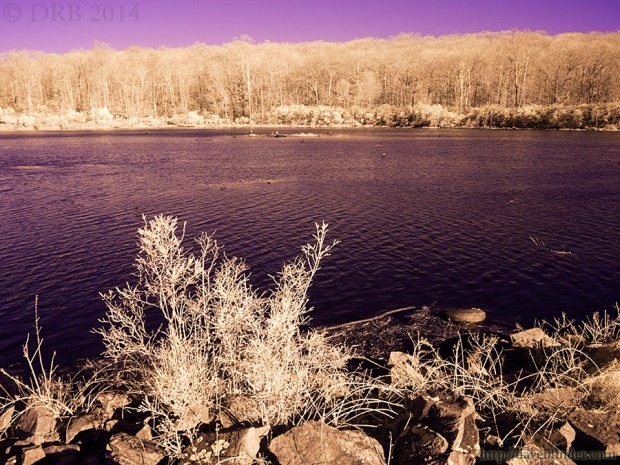
Before family holiday obligations yesterday, I did sneak out for a couple of quick hours of Christmas morning photography.  Below is a handheld Infrared shot.  Technically speaking, it is a UV + Infrared Spectrum photo.  I initially set up the tripod for this scenic capture, but the legs of the tripod cast a distinct shadow in the foreground.  Only solution was to shoot handheld, not necessarily an easy task with the increased exposure times occurring after the visible light spectrum has been removed.  Out of about 15 frames, and very tightly bracing the camera I got one or two critically sharp frames at ISO 400.

NJ Nature Photo

A scenic #nature capture taken at Wildcat Ridge WMA in #NewJersey. Photo taken with the Infrared-converted Olympus PEN E-PL2 camera and the #Tamron 14-150mm Di III lens.

Exposure settings: 1/6s F/8.0 ISO 400, 14mm

Infrared Nature Photography Trials

This Saturday was my first day trying infrared photography.  I had sent my Olympus PEN E-PL2 micro four thirds camera in for IR conversion and to eliminate the normal visible light.  Service was provided by ebay vendor image-laboratory and the conversion was very fast and well performed.  The below photos were taken using that camera and also with my Tamron 14-150mm Di III All-In-One lens.

New Jersey Infrared Nature Photo

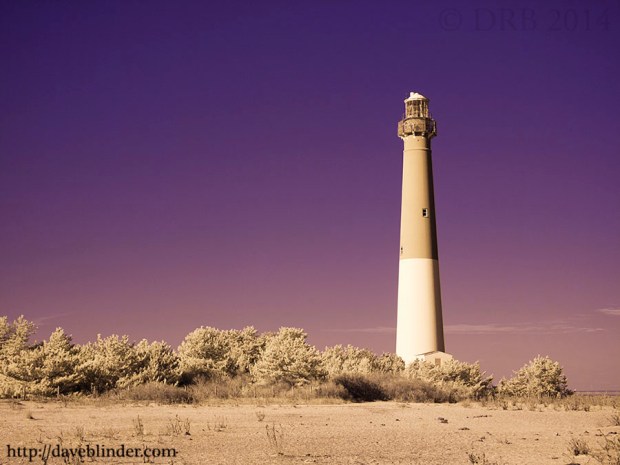
An UV + IR capture of the Old Barney Lighthouse in Barnegat Light #NewJersey. Infrared #photo taken with the #Olympus PEN E-PL2 m43 camera and the #Tamron 14-150mm Di III All-In-One lens.

New Jersey Infrared Photography

An IR capture at sunrise in Ocean County #NewJersey. Infrared #photo taken with the #Olympus PEN E-PL2 m43 camera and the #Tamron 14-150mm Di III All-In-One lens.

I’m really enjoying the pronounced effects of capturing IR and/or UV spectrum light, however my techniques will require a bit of refinement.

– Dave

New Jersey Nature Photography: HDR Comparison

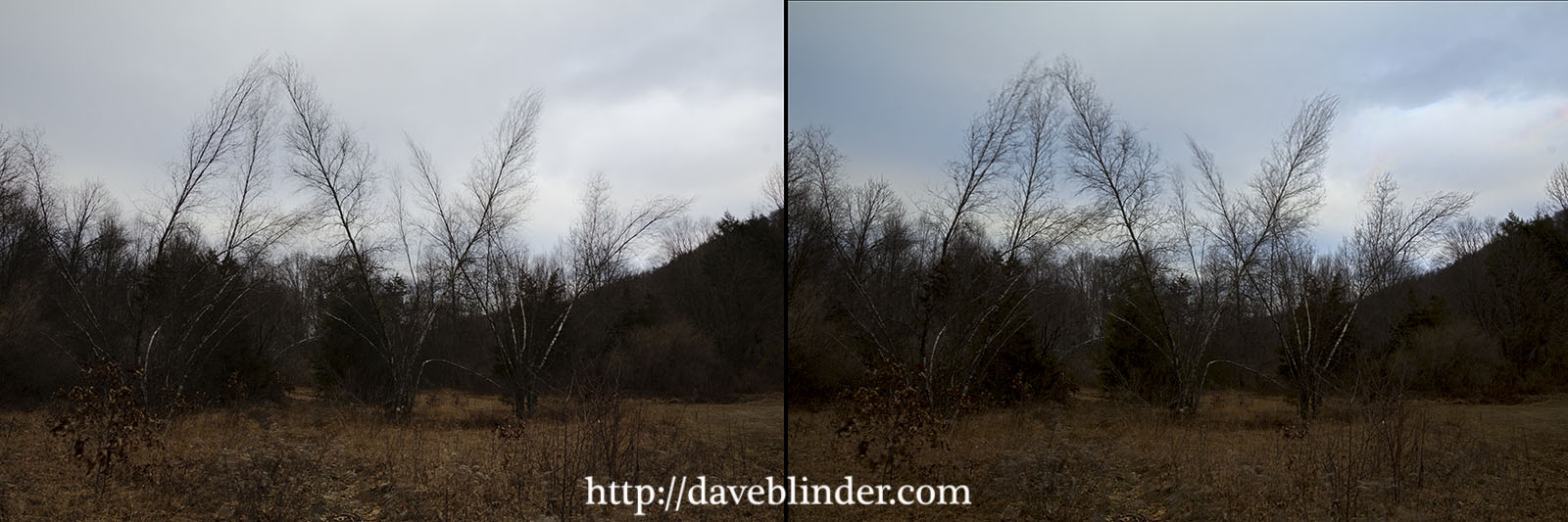
It’s been quite a while since I’ve dabbled in HDR processing, probably 3 or 4 years.  I have mostly tried to shoot photos and process photos in straightforward yet appealing manners.  My personal credo is always “get it right in the camera” and “study the qualities of light”.  I do think putting the utmost effort and quality into any form of photography is very important.  With that in mind, I was out shooting today and bracketed my shutter speed slightly for five frames to see what extra dynamic range I could pull into a scene with an apparently wide gamut.

Side by side comparison of individual RAW with straightforward processing and a five exposure HDR merge.  Click on photo to view larger version.

NJ HDR Photography

An overcast day in New Jersey contained a washed-out sky and a flatly lit foreground. My main goal in #HDR processing was to see what detail I could add to the sky, while avoiding halos. Photo taken with the Tamron 16-300mm VC All-In-One lens and the Canon T5 DSLR.

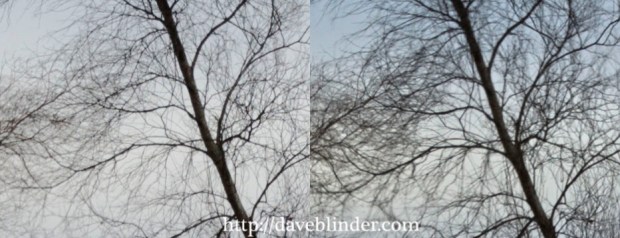
One of my concerns with processing is often the retention of fine detail in the photo.  I’ve uploaded crops of the single exposure and the HDR merge below.  There is a perceivable amount of softness in the HDR crop, but overall I still like the end product.

HDR photography detail retention

A central crop from the frame of a single exposure and an #HDR merge. Slight ghosting and detail smearing can be noticed on close inspection. Both photos taken with the #Tamron 16-300mm VC All-In-One lens and the #Canon T5 DSLR.

I will let the viewers decide which (if either) of the photos they like.  I think even my HDR photo is on the drab side, but I can live with it.

New Jersey Nature Photography: Hibernia Brook #2

Below is my favorite photo from yesterday.  A 10-stop neutral density filter was fitted over my lens, greatly increasing exposure time and consequently softening the appearance of the water.  I’ve been told by family members that this style of photo looks “fake”.  An interesting thought is that a camera can’t record fake images, but imaging devices have the ability to capture time in ways greatly different than the human eye.  There are theories that the human eye/brain refreshes at a rate of approximately 1/50th of a second.  A person could deduce that long and fast exposures may consequently look “fake” to humans.  Does the human perception of time dictate what’s real and what isn’t?  …deep thoughts…

NJ Nature Photo

Softly flowing water falls into shadows and intersects with dark rocks. Photo taken in #NewJersey with the #Tamron 14-150mm Di III lens and the #Olympus PEN E-PL3 m43 camera.

Exposure settings: 2s F/10 ISO 200, 150mm

Equipment used: Tamron 14-150mm Di III lens + ND filter + Olympus PEN E-PL3 camera