Filmed with the Tamron SP 150-600mm VC + Canon SL2. I do not normally hike with my fluid video tripod head so I had to make do with a ballhead for this panning video.
I was fortunate that this bird sprung up in a mostly unobstructed area to call. It was quite unfortunate that an airplane flew directly overhead but I was able to clean up the audio a little after trying a “bandpass filter” around 3100hz to isolate the bird vocalization.
Yesterday was my first day out in the field using the Metabones T Smart Adapter. I am using the Metabones with my arsenal of lenses for the Canon EF mount in order to pair them with my Panasonic Lumix GH4 and G7. I think this can be a great combination for wildlife videography especially given the GH4’s large crop factor for 4K filming of 2.49x! The effective reach of my Tamron SP 150-600mm VC G2 is nearly 1500mm which can be very effective for filming small or distant wildlife such as birds.
Great Swamp National Wildlife Refuge in Morris County NJ
2 of these young ones out on the gravel trails near the Helen C Fenske visitor center on Pleasant Plains Road.I already had my camera low to the ground for macrophotography so I threw caution to the wind and let the “videotapes” run.
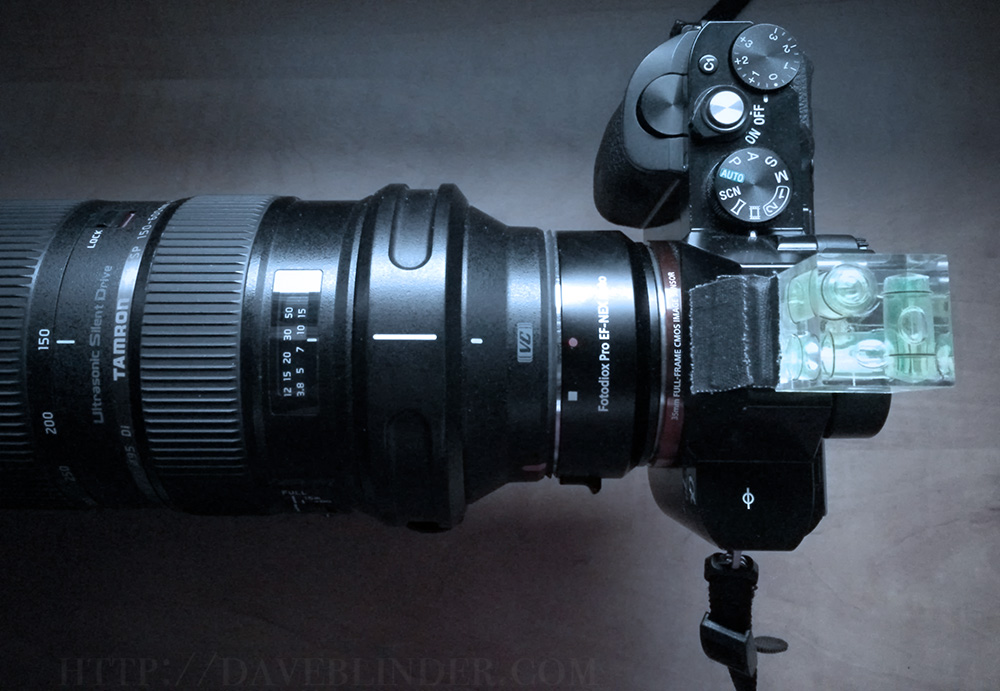
As Spring warms up our Mid-Atlantic region of the United States, wildlife activity in general does pick up. I am mostly resuming where I left off last year with local wildlife videography in attempts to challenge myself, and also to entertain viewers. My “new used” Sony A7R has been my primary camera of late, and for wildlife jaunts, I have my trusty Canon EF mount Tamron SP 150-600mm VC lens paired using a Fotodio Pro adapter.
Below are three recent wildlife shorts that I have filmed and edited in various natural areas in New Jersey.
March Waterfowl at the Manasquan Reservoir
Wood Duck at the Great Swamp National Wildlife Refuge
I recently shot a few very short HD DSLR Video clips of one of the more common and easily recognizable wading birds in New Jersey, a Snowy Egret. My personal goal for wildlife still photography had as been 2 archival quality captures of any subject that I found interesting. Archival quality captures to me means focus is spot-on, exposure will not require significant post-processing, and the composition is pleasing to my eyes. I also try to avoid repetition in my photos. I’ve “upped the ante” on my nature shooting goals, and will now also try to film 1 or 2 quick sequences when I am in the outdoors.
Back to the point, I had been shooting all of my recent photos with a ballhead on my tripod. Having no experience with fluid tripod heads, but realizing their importance in the video industry I started doing some research. I already have Manfrotto RC2 quick release plates attached to most of my cameras and lenses so I wanted a fluid head that was designed for the RC2 plate. I wound up purchasing a Manfrotto 128RC Micro Fluid Head and it has remained atop my 055x ProB tripod ever since. This allows me to perform the steady panning motions needed for dynamic video work.
The above video was filmed using the Tamron SP 150-600mm VC Lens and the Canon EOS 7D. Manual video mode settings include: ISO 100 F/14 and the Shutter Speed set to 1/80th. I muted original audio from the clips in post-processing because of the loud hissing of the wind. Guitar playing is me strumming my Washburn D10 Guitar, and I ended up recording this with my Samsung cellular phone. Audio post-processing involved noise reduction, addition of a Phaser Effect, and overall Volume Reduction. Video post-processing included trimming video segments, cross-fade transitions between shots, contrast enhancements, and split-tone color processing.

 Dave Blinder Nature Photography