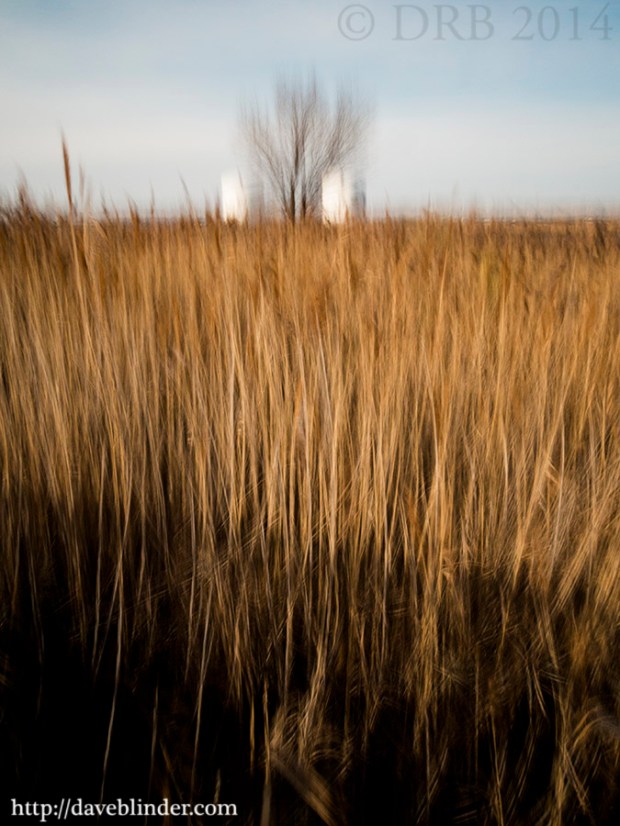
I’ve intentionally been taking art photos with just enough intentional blur to retain definition on the subject matter, but also enough to cause some ghosting within the frame. One man honestly stated that my photos could make him nauseous if they were hung on his walls. I couldn’t help myself from chuckling. One word that came up in online discussions is “unsettling”, and that helps me remember why I began taking these photos. Unsettling is the goal.
Monthly Archives: December 2014
Art Photo: Traffic
I guess you could call this one street photography? The technique was admittedly little more than a random snapshot, but whenever I look at this I like it more. I’d like to shoot a series of similar snapshots.

A lucky or unlucky snapshot of cars and their headlights in #NewHope Pennsylvania. Photo taken handheld with the #Tamron 16-300mm VC All-In-One lens and the Canon EOS M mirrorless camera.
Photo taken handheld with the Tamron 16-300mm VC lens and the Canon EOS M mirrorless camera. Exposure settings: 0.8s F/5 ISO 200
New Jersey Art Photo: Leaf and Snow #1
Below is a handheld macro art photo that I took yesterday on a short nature walk in New Jersey. I was outside just as it had begun to snow, so I was able to photograph small crystals of snow right after they they’d landed on the surface of this serrated leaf. Why do I like this photo? For me, there is a really nice amount of texture within the frame. My favorite textures are the serrated edges of the leaf and also the shapes of the snow particles. The color scheme is primarily the complimentary colors of red and green, although the very overcast sunlight rendered them as muted. My mind interprets the dull colors as an oil painting palette, perhaps from the Dutch Masters.
New Jersey Art Photo: Leaf Detail; Late November
While foliage is most often photographed in Autumn to capture the vivid coloration, there are certainly reasons to also take such photos in Spring, Summer, and Winter. In my photo featured below, I was drawn to the slight gradients of brown tones in the leaf. The patterns in the holes of the leaf also take on a life of their own from this macro view. Looking at the subject even further, one can see a bit of fine detail on the leaf’s surface. I took this photo handheld to achieve both a level of sharpness and also a bit of photo Impressionism.

A macro view of a worn leaf in a forest provides a study of aging and wear. Photo taken handheld with the #Tamron SP 180mm #macro lens and the #Canon EOS 7D.
Photo taken handheld with the Tamron SP 180mm macro lens and the Canon EOS 7D DSLR. Exposure settings: 1/4s F/10 ISO 200.
New York Nature Photography: Common Porcupine
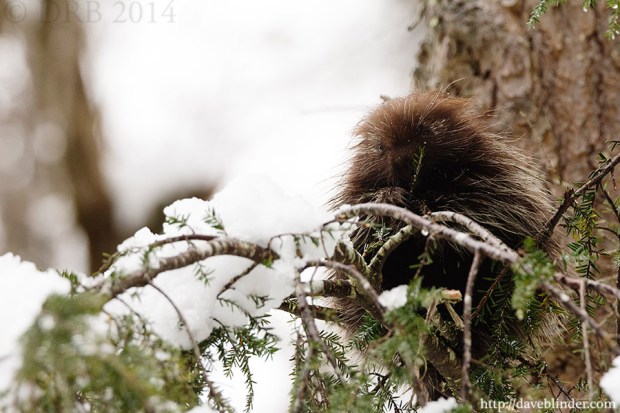
Yesterday Lisa and I took a drive to the Upper Delaware Scenic Byway, an area best known to photographers for Bald Eagle viewing in the colder months. I did see three Eagles, although none happened to be close enough for good photos. The highlight for the trip of us, was a Porcupine busily gnawing away on Spruce needles not much more than 15 feet off the ground. The only other live and wild Porcupine I’ve seen in North America was completely balled up in a sleeping position.
To take this photo, I mounted my Tamron SP 150-600mm VC lens onto my tripod and then dialed in the most appropriate exposure settings. In Aperture Priority mode, I set the aperture to F/8.0 and with overcast skies no ISO short of 1600 would do. My initial shots with an exposure compensation of ~ +1.0 stops light added were still very dark. When I got to +2.7 stops I was happy with the tonality of the image. The only thing left to do was to wail on the shutter button to try for sharp captures without motion blur. Best resultant photo below:

A photograph of a porcupine eating Spruce needles on a snow covered branch. Photo taken in Sullivan County, #NewYork with the #Tamron SP 150-600mm VC lens and the #Canon EOS 60D DSLR.
Common Porcupine, Sullivan County in New York. Exposure settings: 1/100 F/8.0 ISO 1600, 500mm