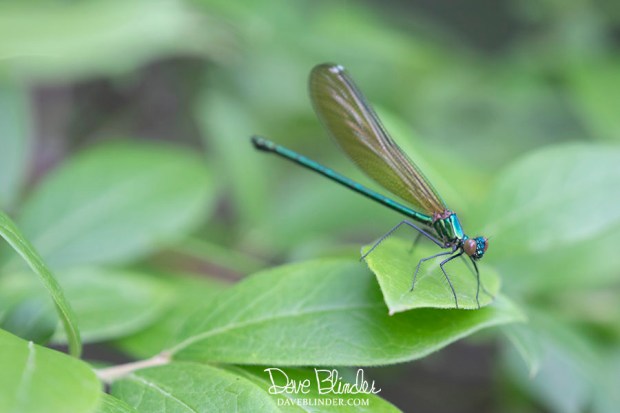
Sparkling Jewelwing
Dover Forge, Lacey NJ
More info on the Sparkling Jewelwing – https://njodes.org/Pages/SpeciesAccount.aspx?id=12



Below is a handheld capture of Spanish moss using the Tamron SP 90mm VC macro lens. By getting in very tight on the subject, a large visual emphasis is placed on the individual curls of the plant itself. We as viewers can also see a bit of surface detail on the moss, a characteristic I was previously unfamiliar with. To balance out the composition of this macro frame, there is an intentional inclusion of negative space. Negative space equates to a nice out of focus background here. As always the photographer needs to make educated decisions about what to include and what not to include in the frame.
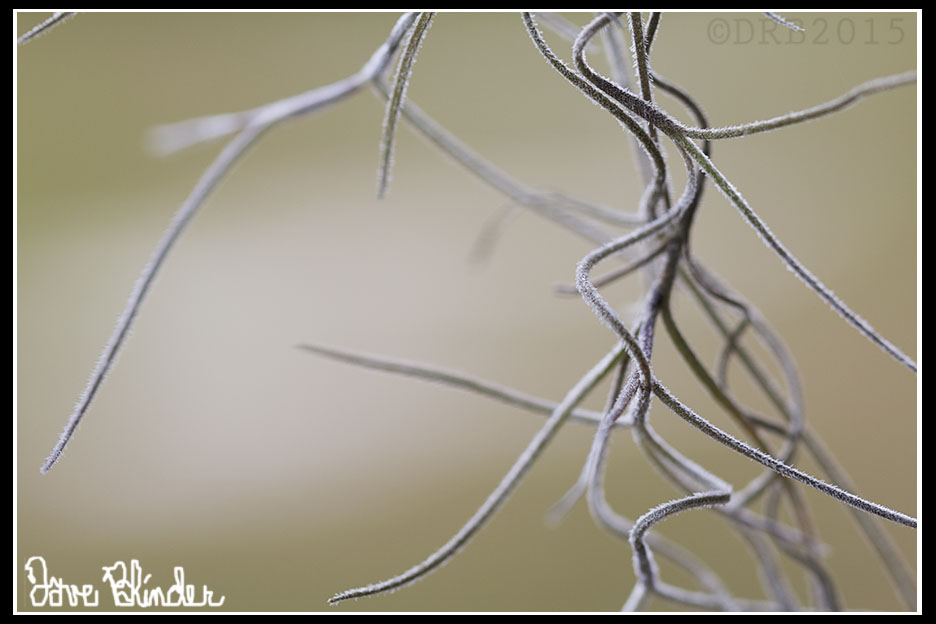
An intimate view of a strand of Spanish Moss exposes naturally formed spirals. #Florida #travel photo taken handheld with the #Tamron SP 90mm VC macro lens and the Canon EOS T5 DSLR.
I stumbled upon the challenge of trying to make a sharp capture of water droplets falling off an icicle today. The timing required a little observation and a lot of luck. To freeze the action, I had to increase the light sensitivity of my Canon Rebel by selecting ISO 6400. Naturally, this is going to introduce a great deal of chromatic and luminance noise. I did some selective post-processing via manual selections and multiple layers to optimize my file for print and web. Heavy noise reduction was only run on the background layer and my second pass of sharpening was only applied to the foreground.
Detail crop showing selective post-processing:

A melting droplet is suspended in sharply air, but a lot of random grain has been generated. This cropped-in view only has my #selective #sharpening and #noise reduction applied on the left side.
My finalized jpeg for web usage:

A friend on Facebook asked for details of the shot so I wrote out a bit of my technique and criteria for detail photos of butterflies. Note that for an abstract capture, these ideas can go right out the window!

#Florida nature #photo of a Zebra Heliconian butterfly. Taken with the tripod-mounted #Tamron SP 150-600mm VC lens and the Canon EOS 60D DSLR.
Question I was posed:
“Was this shot using a tripod?? so clear.. somehow i need to work on that. mine are almost never this sharp..”
My response(s), hopefully helpful:
Dave Blinder “Yep, 1/200th F/8 ISO 400, Vibration Compensation (IS), carbon fiber tripod. Sharp butterfly shots not possible near 600mm without tripod. When I shoot butterflies with my 90mm macro lens I do 75% handheld. Average time I spend photographing an individual butterfly is anywhere between 5mins and 1.5hrs. I don’t leave until I verify I have the eye perfectly in focus on the LCD.”
“If the butterfly’s eye is not in sharp focus I do not post the photo online.”
“Same technique for dragonflies. Nearly identical for birds, but if the bird is distant and I don’t think I can fill 20% or more of the frame I skip the shot. My definition of a sharp eye is viewing the texture on the surface of the subject’s eye nearest the camera.“
 Dave Blinder Nature Photography