The Making of a Photo: Banded Hairstreak

butterfly

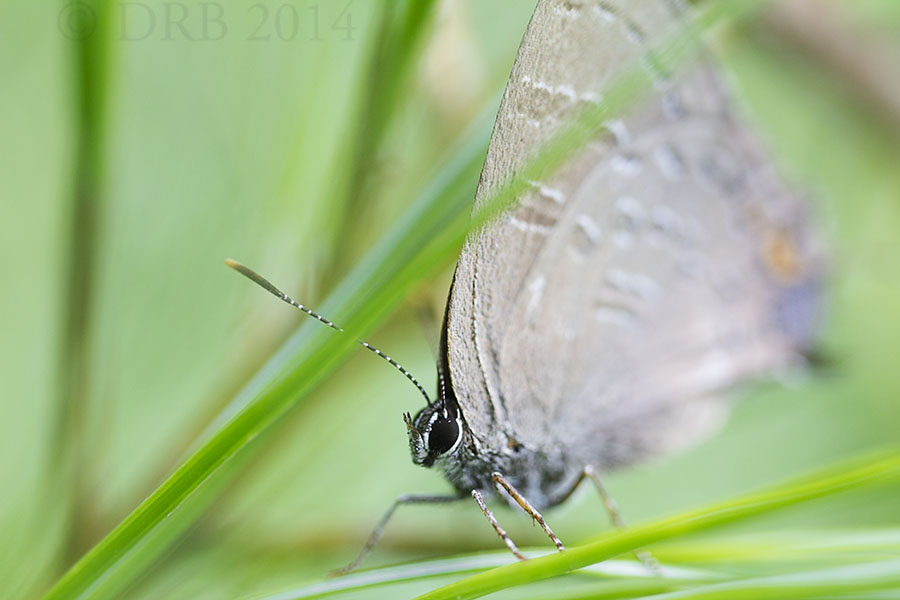
A small Banded Hairstreak Butterfly hiding in a conifer.

90mm, VC ON, handheld, ISO 400, 1/100 F/3.2

Long time, no post!

I thought some people might be interested in my thought process on this somewhat unconventional macro photograph. This is a handheld shot with one of my basic setups, the Tamron SP 90mm VC F/2.8 lens and my Canon EOS 60D. Initially, this small butterfly was nectaring on a good-looking flower out in the open, which seemed like an opportune moment to snap some shots. Upon my approach, it flew into this small coniferous tree and remained there for quite a while.

The two most common approaches I take when photographing a butterfly are a profiling photo (ventral view) or a top-down view (dorsal view). When photographing a winged insect in either one of these manners, it often emphasizes the colors and patterns throughout the wings. Not necessarily easy shots to take when trying to fill the frame with a tiny flighty critter.

Obviously, in my Banded Hairstreak photo at the top of this page, neither of these angles are really possible. For me, situational photography is often a matter of problem-solving, like a rubik’s cube of sorts. I recognized the situation to make what I would call a “hiding” or “peak-a-boo” shot”. I decided I would limit the depth-of-field so that the green needles would have a soft and melty feel. I also wanted to get the butterfly’s face as close to the camera as possible for subject emphasis. Handholding a DSLR in a lowlight situation and dealing with wind to get critical focus near 1:1 magnification is also a challenge. Out of about 30 frames of this exact shot, I walked away with 1 photo that I felt was sharp enough.
Artistic Panning Blur versus Static Detailed Photograph

Image


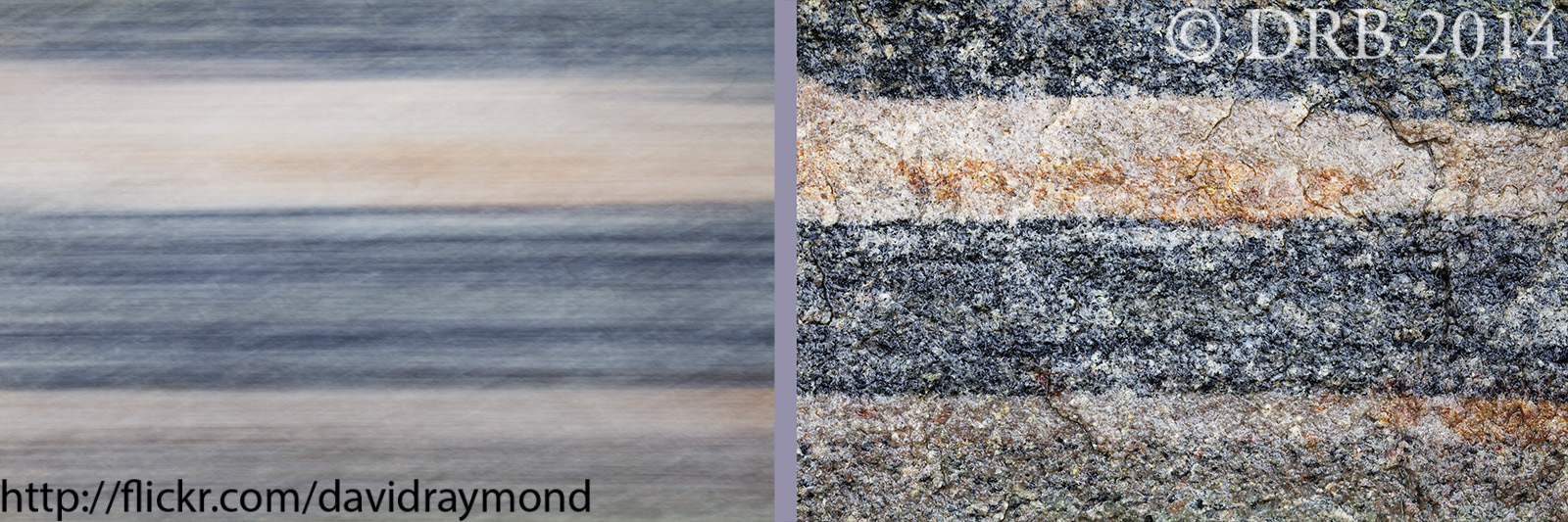
Above is a composite of two photographs I took yesterday, here in New Jersey.  This shows two distinctly different ways to photograph the same subject matter at the same focal length.  Both were taken with a Tamron 90mm VC lens and a Canon EOS 7D.

The technique employed on the left is called by several different names: Intentional Camera Movement (ICM), Pleasing Motion Blur, Panning Blur, Painting with Your Camera… and so on.  What were the camera settings and how was this executed?  I generally always shoot in manual mode on my DSLR when trying Panning Blurs.  I try to create a very bright camera RAW file with maximum detail in the white channel, without blowing too many highlights.  I think I a goal aperture of F/11 is a good idea to capture a good amount of detail but minimize diffraction or the chance of sensor dust spots rearing their ugly head.  An ideal shutter speed of 1/20th of a second to about 1 full second usually works for me.  A slow shutter speed like this usually means an ISO setting of 100 and shooting in the shade or on an overcast day.  If the sun is too bright to get detail at those settings you may need a polarizing filter or neutral density filter to cut out a few stops of light.

Having an anti-shake mechanism on the lens or camera is helpful to steady the viewfinder and get smoother horizontal or vertical lines.  In this case, Tamron’s 4-stop Vibration Control was set in the ON position, and the results of the VC along with a fluid handheld panning motion lead to straight horizontal lines within in the photograph.  I did manually pre-focus my macro lens for this photo, although “One Shot” autofocus mode as Canon calls their stationary shooting mode would have worked as well. This particular subject matter worked well with a horizontal panning motion because of the preexisting horizontal lines in the subject (a simple common chunk of rock outdoors).

When and why might you want to try this technique?  There are many reasons to do this:

1) It’s fun and very akin to using a paintbrush

2) Expand your nature photography portfolio

3) This is a great way to create Fine Art of a subdued, impressionistic, and thought-provoking nature

4) Why not? 🙂

As with all non-conventional photography techniques I would advise you to add as many tricks to your arsenal as possible, but don’t allow your style to be pigeon-holed or cliched.  Versatility is king when you are swimming in a sea with many fish.

Wildlife Filming Equipment

Wildlife Filming Equipment

Tamron 150-600mm VC Telephoto Lens
Canon EOS 60D
Rode VideoMic GO microphone (just purchased from Unique Photo in Fairfield NJ)

Equipment used for shot:
Canon EOS 7D DSLR Camera.
Tamron 90mm VC Macro Lens.
Cowboy Studio Fluorescent Light + Window Light

NJAS – All Things Birds: Glacial Lake Passaic

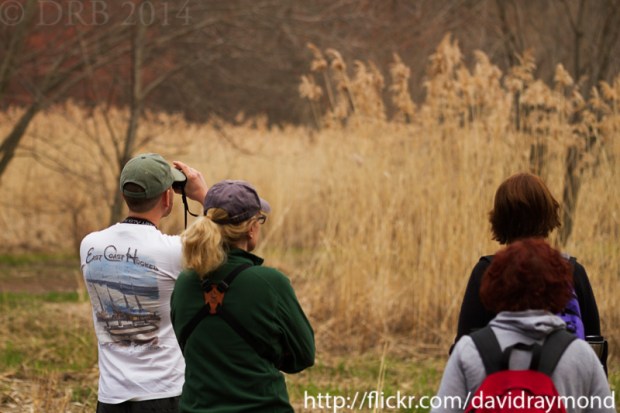
I intercepted my friend Mike leading a local trip for New Jersey Audubon Society in search of newly arrived Spring birds and potential Winter lingerers in Morris and Essex Counties today.

Photography equipment used includes my Tamron 18-270mm VC Lens, Tamron 90mm VC Macro Lens, Tamron 150-600mm VC Telephoto Lens, Canon DSLR’s, Canon Speedlite 270exII flash, and my Manfrotto 055xProB Tripod with 498rc2 Ballhead.

Wildlife sighting highlights for the group today: American Kestrel, Rusty Blackbird, American Mink, and several Shrews.

birders

Looking for Sparrows and Blackbirds in the tall vegetation

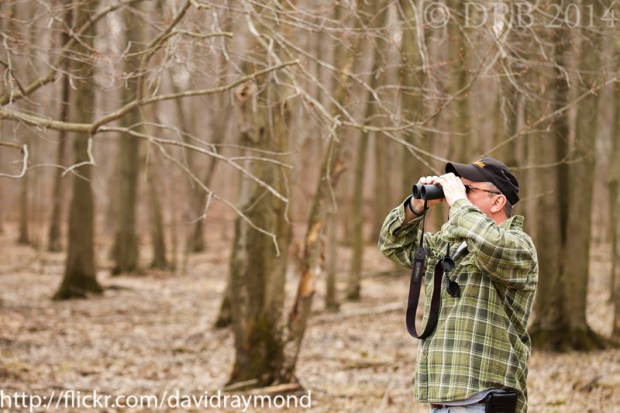
birdwatcher

Scanning for songbirds

rusty macro

Random object along the trail

Dekay's Snake

A fairly large sized Northern Brown Snake found basking on the road.

Deer Skull

Old remnants of a Two-pointed White-tailed Buck

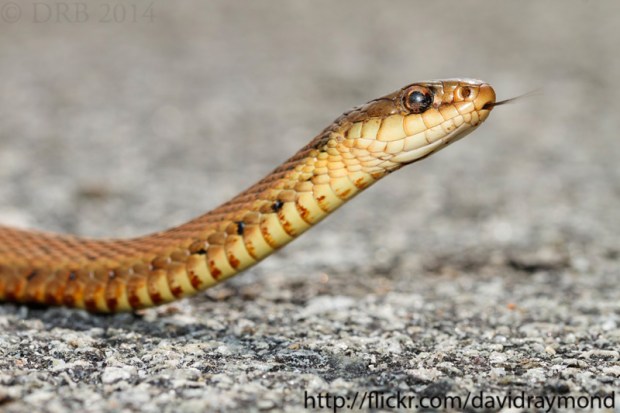
Snake Flicking Tongue

A typically long and slender Ribbon Snake found along the trail

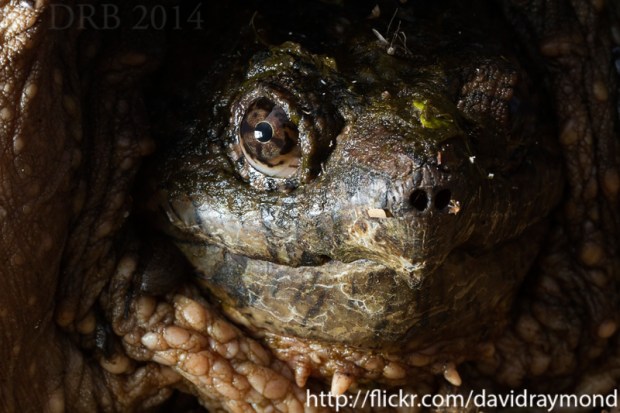
Turtle detail.

Close-up detail view of an adult Snapping Turtle

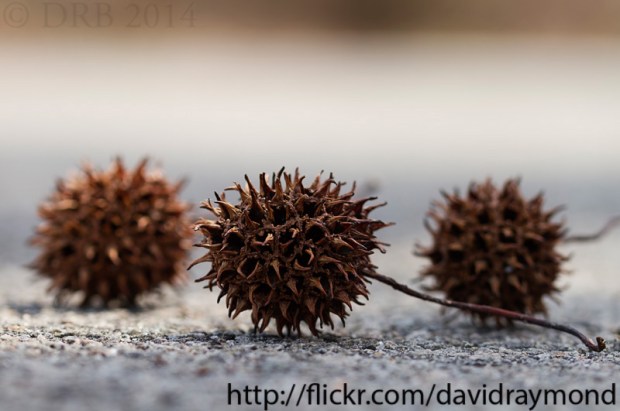
Pod details along rode.

Many Sweetgum trees in the area.

Yellow wildflower macro

Yellow Buttercup wildflower seen near forest entrance.

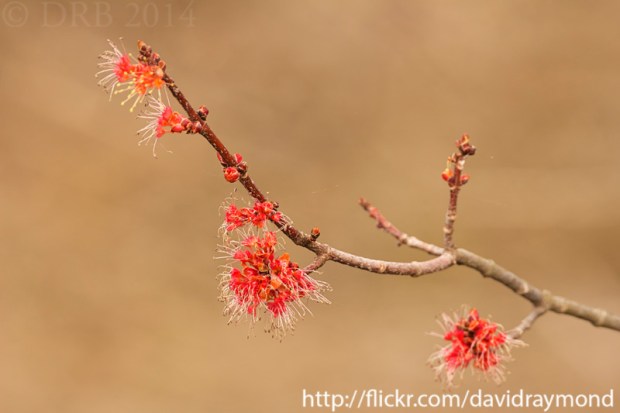
Spring Blooms

Blooms seen on mature trees lining the meadow

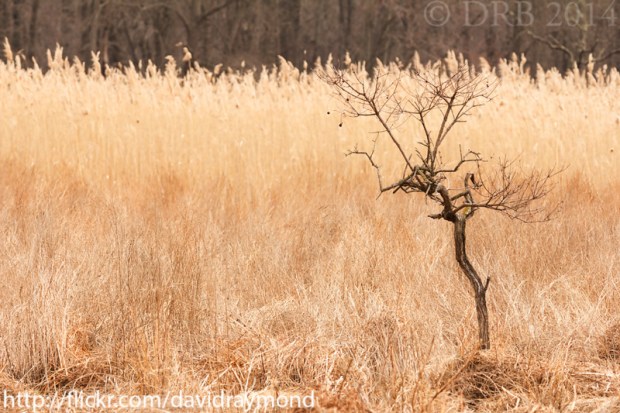
Meadow Scenery

An old lifeless tree in front of a wall of Phragmites.

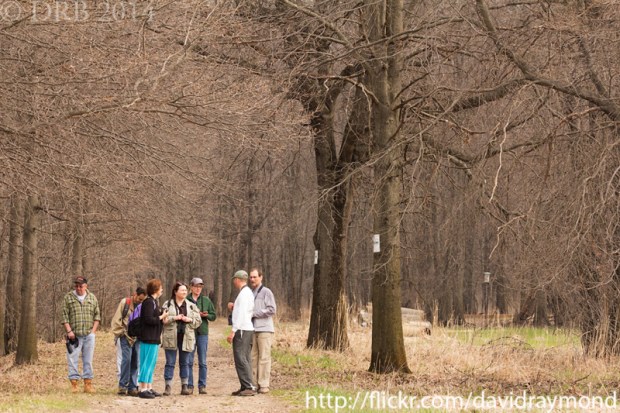
NJAS 2014 Field Trip

The birding group takes a break to discuss the habitat.

NJ nature scenery

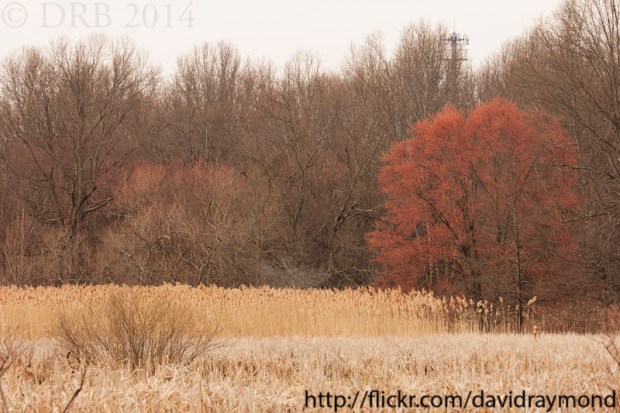
The trees that dot the meadow are starting to show their Spring coloration.

NJ Spring foliage

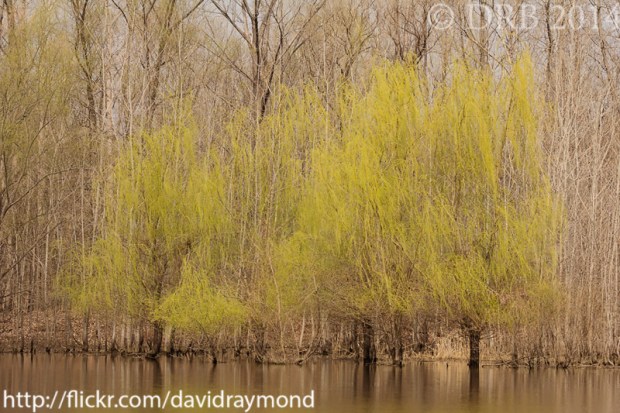
Trees showing their fresh green on a warm Spring day.

Swamp detail

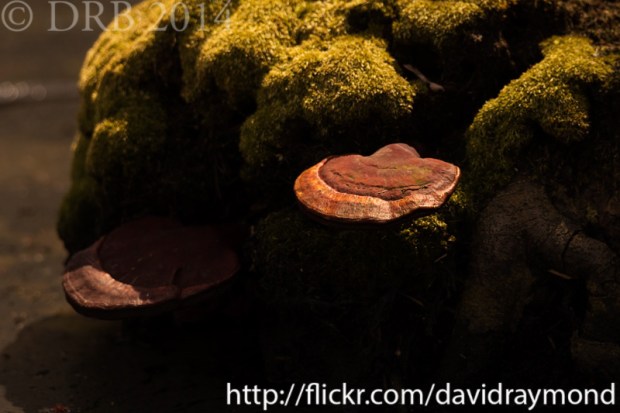
Typical plant life in a flooded section of the forest

Macro flash and video LED setup

Macro flash and video LED setup

Canon 7D + Tamron 180mm SP Macro lens. A straight flash bracket is attached to the camera body, my Canon Speedlite 270exII is mounted on top of a Giottos mini ballhead. The Speedlite head is covered by my homemade diffuser (actually a plastic coffee “tin”), and today I glued a cold shoe mount on top of the diffuser to mount a Manfrotto ML120 Pocket-12 LED Light for shooting macro videos at night.

Photography with Intent

Photography with Intent

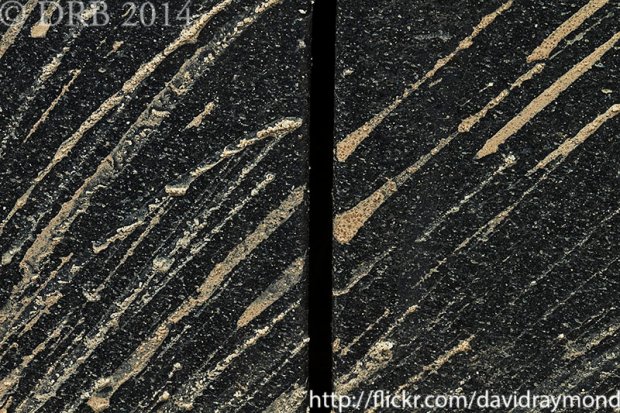
I did originally compose this shot (tripod mounted camera of course) putting the thick central line (gap in my exterior car panel) off-center as I find the compositional Rule of Thirds very effective. However, before pressing the shutter, I realized that the prominent diagonals (mud on my car), minimalistic subject matter, and a central divider would give this photo a “pop art” feel to it.

When I make photographs like this I know they will not be popular on my flickr page where “in your face” wildlife shots get me the most views. While I recognize that wildlife is still my bread and butter subject matter with my audience, I do my best to diversify at times without alienating my viewing audience.

Tamron 90mm VC macro lens, Canon EOS 7D DSLR, Manfrotto 190xProB tripod with 489rc2 Ballhead, F/22, ISO 100, 1.6s exposure, Aperture-priority mode, One-shot Auto-focus Mode near center of photo, 2 second timer, Mirror Lock-Up, RAW file format

Lies brand t-shirt photoshoot

DRB Photo Gear

Dave Blinders Strobes, Camera, and Lens

I did a quick inpromptu photoshoot last night in Northern New Jersey for my friend Joe who runs his own small skateboarding T-shirt business in his spare time. Knowing in advance that I’d be working in close confines, I thought one Alien Bees AB800 Strobe with a stripbox style box, a Canon 580exII with Opteka grid, my Canon 60D dslr, and Tamron 18-270mm VC lens would allow me plenty of diversity and lighting and composing options.

rimlighting portraiture by drb

Joe in rim lighting

Tamron 18-270mm VC, Canon 60D, and gridded 580ExII off-camera to subject’s left

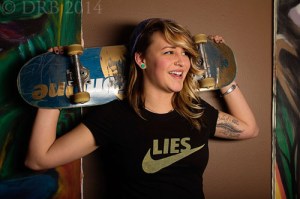
girls holding skateboard

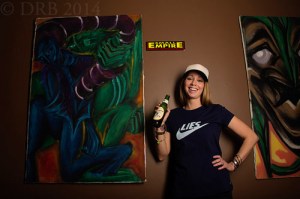
Korynne and Carmela holding skateboard deck

Tamron 18-270mm, Canon 60D, and AB800 w/ stripbox angled slightly from camera right

man in skate tee

Joe wearing his own branded T-shirt

Tamron 18-270mm Lens, Canon 60D, Gridded Canon 580exII Speedlight angled from slightly above subject

girl in skateboard t-shirt

Korynne in navy blue Lies T-shirt

Tamron 18-270mm VC, Canon 60D, AB800 strobe slightly above and right of subject

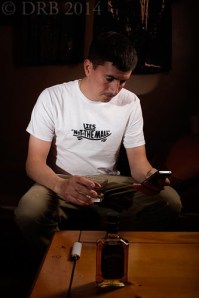
man in skateboarding t-shirt

Joe wearing one of his designs in white

Tamron 18-270mm VC Lens, Canon 60D, Gridded 580exII Speedlight aimed towards subject’s chest, AB800 on minimum power from subject’s right

girl in skateboard t-shirt

Carmela wearing black Lies t-shirt

Tamron 18-270mm Lens, Canon 60D, AB800 in stripbox slightly above and right of subject

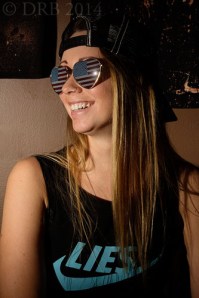
girl in skateboard tank top

Korynne wearing blue Lies tank top

Tamron 18-270mm VC Lens, Canon 60D, 580exII Speedlight w/ Opteka Grid coming in from camera left

If you have any questions about the equipment, techniques, clothing line, or contacting the models please leave your information in the comments section or contact me via facebook.

Self-Critique on a photo I took today

Image

From a VERY quick walk in this frigid weather.

Instinctively, I critique all of my photos on a technical and compositional basis when I review them.

Sometimes I notice things I couldn’t see through the viewfinder. In this particular shot, the small brown blur towards to the top left is an “error” in my opinion. It’s probably a distant dead leaf, and I feel it detracts a bit from the photo.

I would have removed it physically if I had noticed through the viewfinder. However, I do not like to alter my nature shots in post-processing, and I prefer not to crop. I do my best to present the scene as it was. I did though, move the feather from a pricker bush on the ground, to an elevated and isolated branch to make the shot. It blew away seconds later and I’m lucky I got a shot at all.

I did shoot a few frames at an aperture of F/4 also (presented shot is F/2.8).  The increased aperture brought nice detail into the feather, however I did not like the background elements that starting coming into focus.

Minimalism in Nature

Went for a walk in one of my favorite nature areas in New Jersey yesterday morning, Mahlon Dickerson Reservation in Jefferson.  Optimistically, I had a wildlife lens mounted, and my macro flash unit also ready to go for smaller critters.  However, no opportunities like that materialized for me.

I noticed a bare sapling near the mostly frozen stream’s edge, and originally thought I’d isolate the entire sapling against the simple background.  I shot a few broader frames, but felt they all lacked any prominent shapes or visual guidance.  I zoomed in a bit with my zoom lens and also my tripod to see how this small single branch with a nice diagonal orientation and prominent juttings could possibly fill the frame.

I liked the frame, but the remaining problem was one unsightly rock just barely jutting from the ice’s surface.  Next step was locating a leaf in decent shape, and using a stick to push it into position to mask the rock.  Little did I know, the now juxtaposed leaf would become my favorite part of the shot.  A polarizing filter was also necessary to remove glare, especially since a small layer of melt water was sitting on top of the ice and reflecting sunlight and the surrounding trees.

New Jersey Nature Photo

Branch, Ice, and Leaf

Tamron 18-270mm VC lens @ f/16, 1/20s, ISO 200 on a tripod mounted Canon 50D.  Mirror lock-up and camera timer used to maximize sharpness.

,,,

Julia

We do get a decent variety of butterflies in the warmer months here in New Jersey, but I always get jealous of the vivid tropical butterflies that I see from the warmer states and tropical countries.  I was fairly successful in shooting some of my target species in Florida, and so here is a Julia, one of them:


Florida butterfly photograph

Julia


Photo taken handheld with the Tamron 90mm VC macro lens mounted on a Canon T2i Rebel camera.  An aperture of F/8 yielded very high sharpness, and acceptable depth of field for a fairly flat subject.